


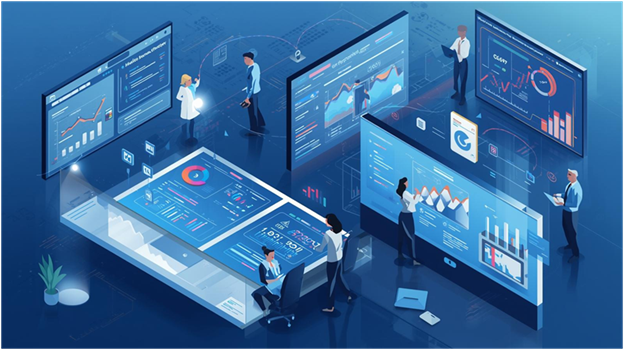
In 2026, B2B lead generation agencies focus on AI-powered intent data, Account-based marketing, omnichannel outreach, hyper-personalized content and privacy-first data strategies to deliver high-quality leads instead of high-volume and low-conversion contacts.
B2B buying behavior has evolved rapidly. The decision-makers now conduct extensive research before engaging with vendors, making traditional approaches less effective. As a result a B2B lead generation agency in 2026 would prioritize precision, relevance, and buyer intent. The objective is not about generating humongous leads but generate prospects that are qualified, engaged, and ready to convert.
Here are strategies to deliver leads that agencies must use to generate high-quality leads in 2026:
Inbound Leads
Inbound leads remain a cornerstone of modern B2B lead generation. Agencies attract prospects through valuable, problem-solving content such as blogs, whitepapers, webinars, tools, and industry reports.
Key inbound strategies include:
- SEO-optimized content targeting buyer-intent keywords
- Gated assets designed to capture first-party data
- Educational resources aligned with each funnel stage
Inbound leads are typically warmer, more informed, and more likely to convert because prospects initiate contact after recognizing a need.
LinkedIn Prospecting
LinkedIn prospecting has become one of the most effective channels for B2B lead generation agencies. With advanced filters, intent signals, and direct access to decision-makers, LinkedIn enables highly targeted engagement.
Agencies use LinkedIn prospecting to:
- Identify and connect with ICP-aligned prospects
- Share value-driven content and insights
- Support outbound campaigns with social touch points
When combined with email outreach and retargeting, LinkedIn prospecting significantly increases trust and engagement.
AI-Driven Lead Scoring
Lead scoring is what distinguishes quality from quantity. Agencies now rely on AI-powered lead scoring models that evaluate job role, company size as well as engagement and intent signals.
Advanced lead scoring helps agencies:
- Prioritize high-intent inbound leads
- Qualify responses from outbound campaigns
- Route sales-ready leads faster
This ensures sales teams focus their time on prospects most likely to convert, improving close rates and ROI.
Email Outreach
Email outreach remains a high-performing channel when executed strategically. In 2026, agencies will focus on relevance, personalization, and timing rather than frequency.
Effective email outreach strategies include:
- Role-specific messaging
- Behavior-triggered follow-ups
- Multi-step sequences aligned with outbound campaigns
Instead of pushing sales messages, agencies use email outreach to start conversations, educate prospects, and guide them toward conversion.
Hyper-Personalized Content
Generic messaging no longer converts in competitive B2B markets. Agencies now use AI to deliver personalized content based on industry, job role, company size, and buying stage. Personalized landing pages, tailored case studies, and dynamic email content significantly increase engagement and lead quality.
Account-Based Marketing
Account-based marketing has become a core strategy for agencies serving B2B brands. Instead of marketing to broad audiences, agencies focus on a carefully curated list of high-value accounts. Personalized messaging is developed for each stakeholder, ensuring relevance at every stage of the buyer journey. This approach improves deal size and win rates while reducing wasted spend.
Outbound Campaigns
While inbound drives awareness, outbound campaigns in 2026 focus on precision targeting. Agencies no longer rely on mass cold outreach. Instead, they use intent data to identify accounts actively researching solutions.
Modern outbound campaigns include:
- Personalized cold emails
- Account-specific messaging
- Sales and marketing alignment on targeting criteria
This approach ensures outbound efforts reach decision-makers who are relevant and ready, improving response and conversion rates.
Performance Optimization and Continuous Improvement
Agencies continuously optimize lead generation strategies using metrics such as:
- Cost per qualified lead
- Conversion rates by channel
- Lead scoring accuracy
- Pipeline contribution
By analyzing performance across inbound and outbound efforts, agencies refine messaging, targeting, and channel mix to maximize results.
Final Thoughts
In 2026, successful B2B lead generation is driven by balance and intelligence. Agencies that combine the above-mentioned strategies consistently deliver high-quality leads. Partner with Carney Technologies Services for data-driven B2B lead generation that delivers sales-ready leads. Visit https://www.carneytechnologies.com/ to get your free consultation.